For the Love of Reading: The FWC's Summer Reading List
Notes from a Writer's Desk
Do you remember those elementary school days when you’d receive a summer reading list to complete? As researchers, we always have a reading list piling up, but the summer is still a great time to pick up a book that isn’t specifically related to your field, whether to learn something completely new or simply to enjoy the pleasures of a breezy page-turner. Perhaps you’ll finally find time to read a classic that you’ve been meaning to get to for years, or perhaps you’ll discover a beautiful story by an author you’d never heard of before. Who knows? You may even try your luck with one of those mystery books, wrapped in brown paper packaging to mask its contents. Sure, the book might end up being far afield from your typical read, but if the booksellers have chosen this work for their “blind date” section (as it’s sometimes called), then it must be well-written, at the very least.
We are fortunate to have wonderful libraries and bookstores around campus, as well as any number of charming, independent shops slightly farther away. But wherever you’ll be this summer, it’s always fun to wander into a bookshop you happen across and simply explore. You never know what you’ll find; checking out the “local authors” section usually leads to some surprises. If you’re looking for some random recommendations, the Fellowships & Writing Center has prepared its own summer reading list, comprising books we have already read and enjoyed, and books that we eagerly anticipate reading in the coming weeks. Feel free to let us know if you have any books that you recommend, or if you read any of our recommendations and have some thoughts to share!
Nonfiction
Image
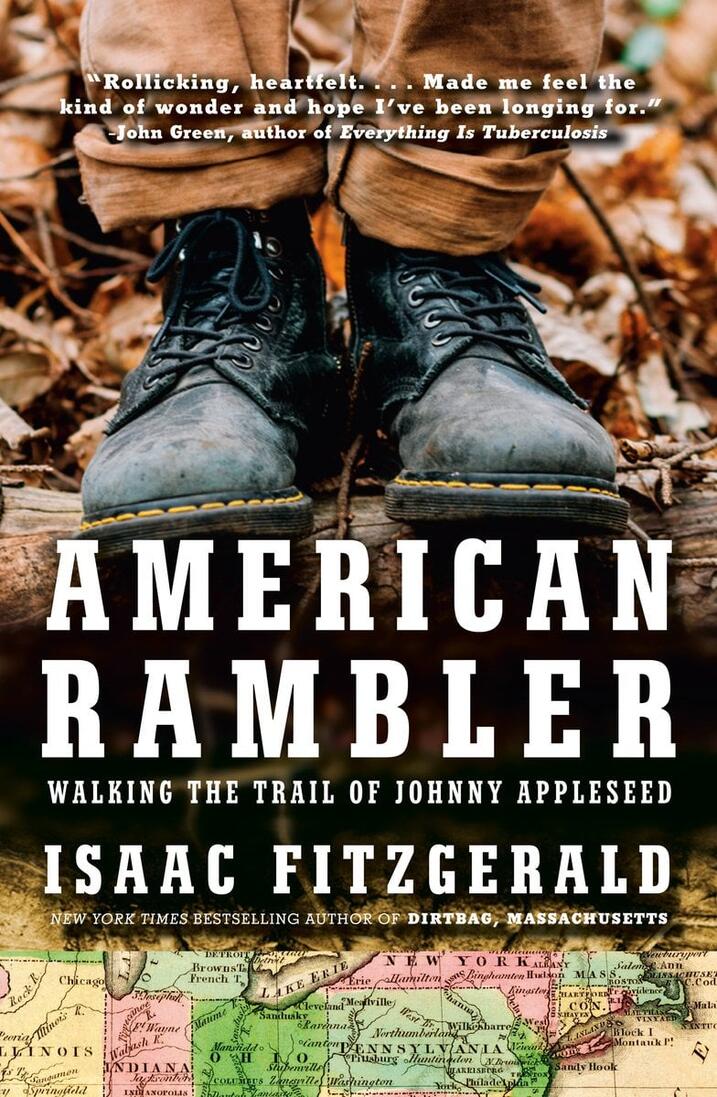
| American Rambler: Walking the Trail of Johnny Appleseed by Isaac Fitzgerald Fitzgerald’s latest book caught my eye not because of the title, but because of the subtitle, “Walking the Trail of Johnny Appleseed.” Like Fitzgerald, I remember being in elementary school and hearing the legend of Johnny Appleseed, without realizing he was from Leominster, MA. Setting out to trek the Johnny Appleseed trail, Fitzgerald discovers that the myths don’t quite fit the story of the man, John Chapman, and the trail isn’t really a trail at all, but a stretch of highway. Still, the author decides to follow Chapman’s footsteps from Massachusetts to Indiana, stopping at the various sites where Chapman may have planted orchards along the way and reflecting on the myths of America. Weaving personal narrative with history and descriptive travel writing, the book, in some ways, is more about Fitzgerald’s own journey in life than anything else. |
Image
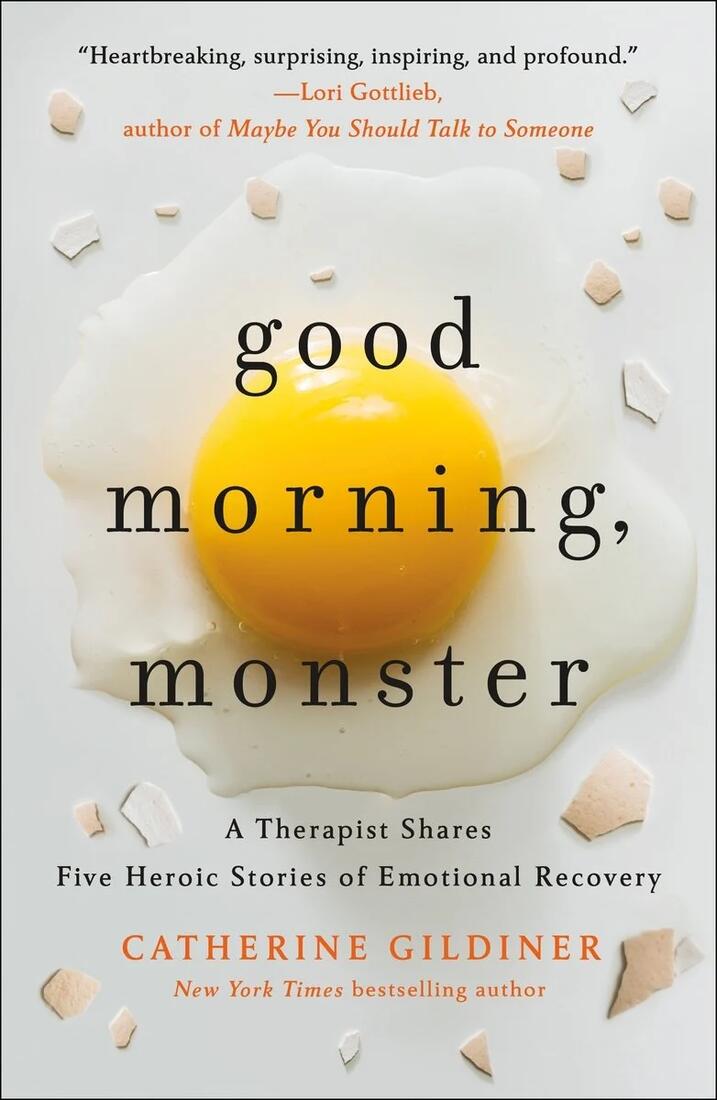
| Good Morning, Monster by Catherine Gildiner In this book, published in 2020, Gildiner, a clinical psychologist, follows the healing journey of five people after substantial traumas. This book is perfect for someone who loves to read about and understand human behavior. Having first read it a few years ago, I now find myself coming back to it, and it’s great to pick up and re-read just one of the stories. The stories are short enough to read in one sitting, but give you a complete, in-depth experience like you’ve read a much longer story. They also provide beautiful examples of human resilience. |
Image
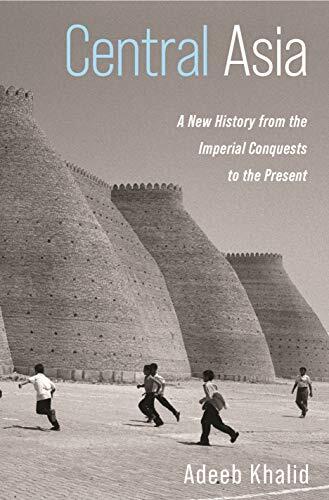
| Central Asia by Adeeb Khalid This is a comprehensive history of Central Asia from the mid-18th century to today. As a classicist, I think of that region primarily as a vaguely defined northern neighbor, given to nomadism and horses. In fact that is not entirely wrong, but it’s also hardly anything at all. I am now learning so much about Central Asia (modern day Uzbekistan, Tajikistan, Turkmenistan, Kyrgyzstan, Kazakhstan, and the Xinjiang province of China) from Khalid’s book, and his first few chapters provide a masterful mini-history from antiquity to modernity. One thesis of the book is that this is indeed a unified region, even though the era of empires saw it carved up into eastern and western halves by China and Russia. This is a part of the world that feels inscrutable and unknown to me, and Khalid is somehow both accessible and incredibly precise in laying out its history. I’d love to visit someday. |
Image
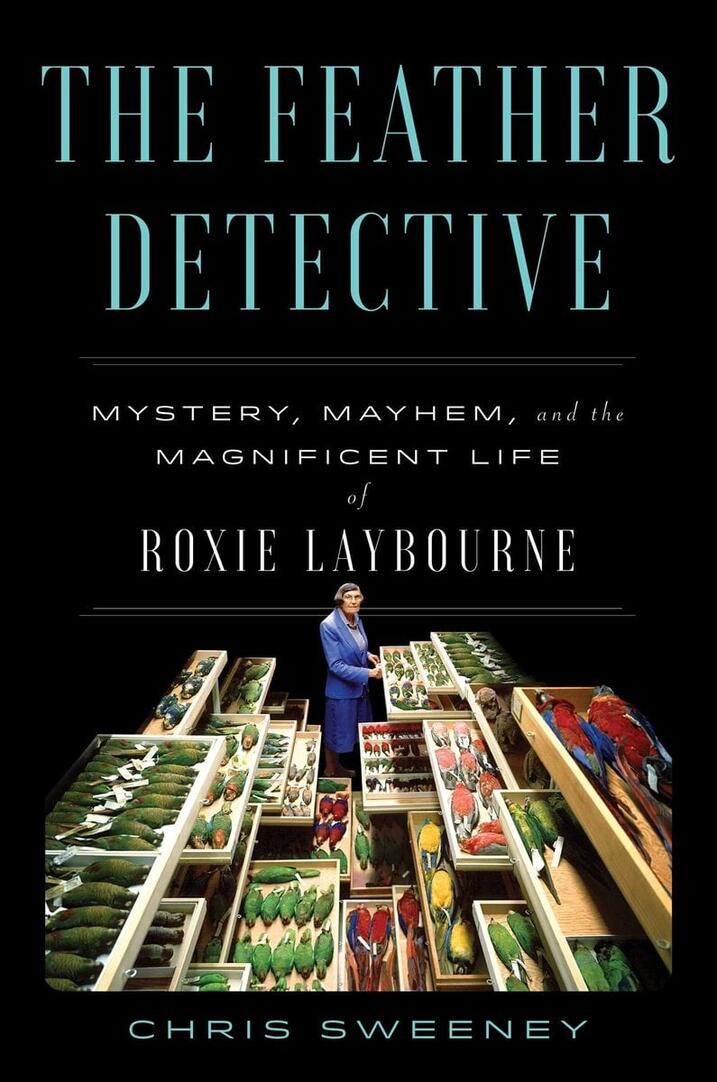
| The Feather Detective: Mystery, Mayhem, and the Magnificent Life of Roxie Laybourne by Chris Sweeney In the 180 years since its founding, the Smithsonian Institution has not only acquired a mind-boggling number of materials, but has also served as backdrop to an even greater number of fascinating human stories. One that deserves a much wider audience is that of Roxie Laybourne, the world’s first forensic ornithologist. From the 1940s through the 1990s, Laybourne played a pivotal role in decades’ worth of aviation disaster and criminal investigations, using her peerless expertise to identify bird species from only a few feather fragments. You’ll want to visit the “bird balcony” in the Harvard Museum of Natural History after you’ve finished reading about Laybourne’s remarkable life. |
Image
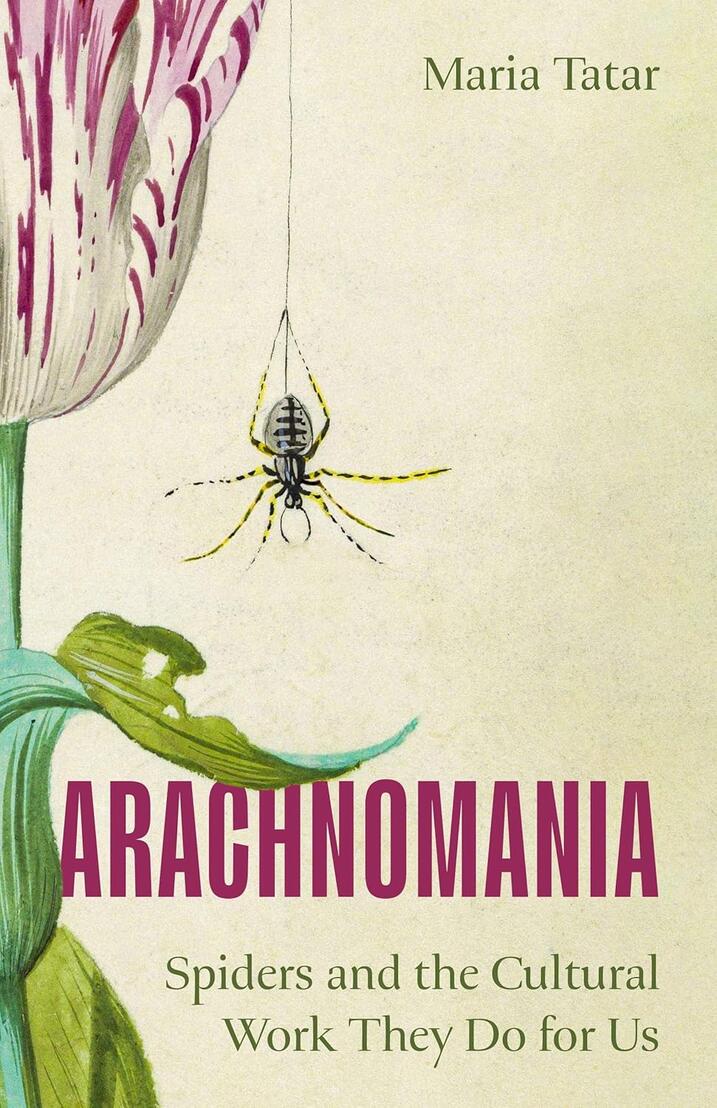
| Arachnomania: Spiders and the Cultural Work They Do for Us by Maria Tatar I’ve always hesitated to kill spiders because, as my dad used to tell me, they eat the other insects we don’t want around. Sure, they can be venomous and are somewhat grotesque, but, as Tatar recounts in the seven themed chapters of this recently released book, they are fascinating artists and engineers in their own right, who play a vital role in the ecosystem and who have served as our totem animals. Retracing the cultural references and resonances of spiders through various genres of film and literature, Tatar––professor of Germanic languages and literatures and of folklore and mythology, emerita, at Harvard––ponders their fearsome reputation. There is no such word as arachnophilia in the dictionary, Tatar tells us, but after this book, perhaps there will be. |
Image
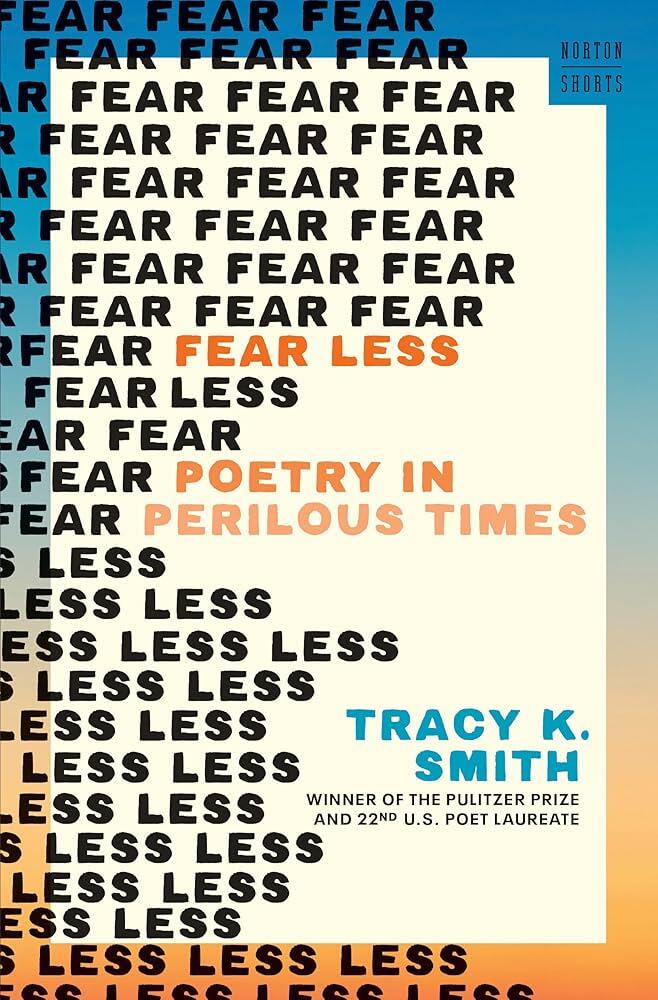
| Fear Less: Poetry in Perilous Times by Tracy K. Smith On my to-read list are two works by former poet laureates, both of which acclaim the profound value of poetry in society, and simply for our humanity. I have begun to read Smith’s Fear Less, and as always am swayed by her eloquent and insightful way of talking about poetry; as she notes on the opening page: “We never cease in becoming. Neither does this art form.” The latter volume, On Poetry, Culture, and Democracy, which I have not begun to read in earnest, combines two of Pinsky’s previous works of criticism, The Situation of Poetry and Democracy, Culture and the Voice of Poetry. Pinsky has also penned a new preface addressed to today’s audience. |
Fiction
Image
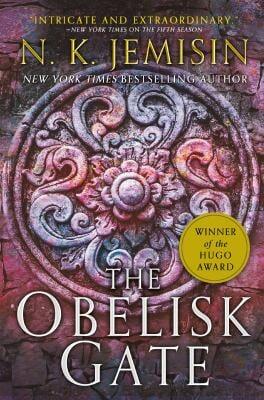
| The Obelisk Gate by N.K. Jemisin The Obelisk Gate is the second book in N.K. Jemisin’s Hugo Award-winning Broken Earth trilogy. Set on a supercontinent called the Stillness, where natural disasters have whittled humanity down to a fraction of what it once was, this fantasy/science fiction series follows the intersecting stories of several orogenes—humans who have the ability to control geological forces and are both hated and enslaved for that power. |
Image
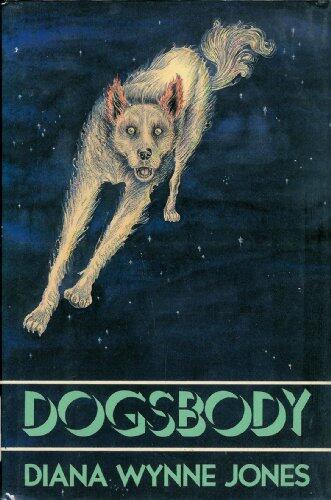
| Dogsbody by Diana Wynne Jones Dogsbody tells the story of the star Sirius, who is framed for a crime he didn’t commit and, as punishment, is sent to live out the natural life of a dog on Earth—unless he can find the celestial object that has recently fallen on that planet. The 1975 fantasy novel is told from Sirius’s perspective as he is born as an ordinary puppy, nearly drowned, and eventually adopted by Kathleen—a young Irish girl living with relatives in England during the Troubles. Sirius’s narration provides a wonderful exploration of what it is to live in a dog’s body. At the same time, the parallels between Sirius and Kathleen explore what it is like to be betrayed by someone you love. |
Image
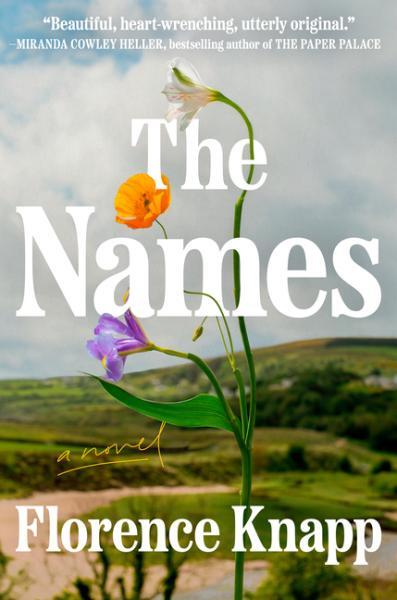
| The Names by Florence Knapp What is in a name? This 2025 debut novel from Knapp follows a family on three different trajectories, depending on what the youngest child is named. Their stories, taking place over several decades, overlap and diverge. |
Image
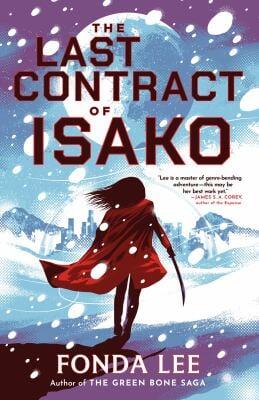
| The Last Contract of Isako by Fonda Lee On my to-read list is Fonda Lee’s new science-fiction novel about a corporate samurai on an isolated and icy-cold satellite planet. I had to pick this book up after I heard Lee speak about wanting to write a middle-aged female character who had already been through a lot in her life, including raising a daughter, and who still has more adventures to come. |
Image
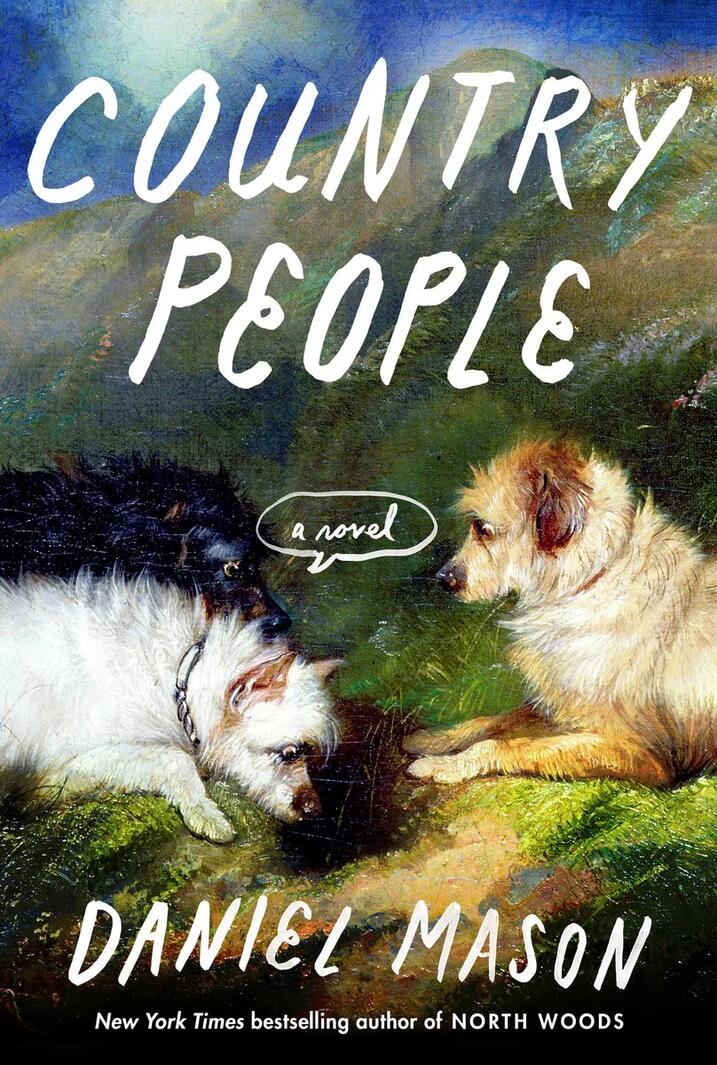
| Country People by Daniel Mason The latest novel from Pulitzer Prize finalist Mason is set to be released in July. It follows a family’s move to rural Vermont, focusing on the relationships within the family as well as with the town's colorful locals. I always enjoy reading New England–based stories and am looking forward to this one! |
Image
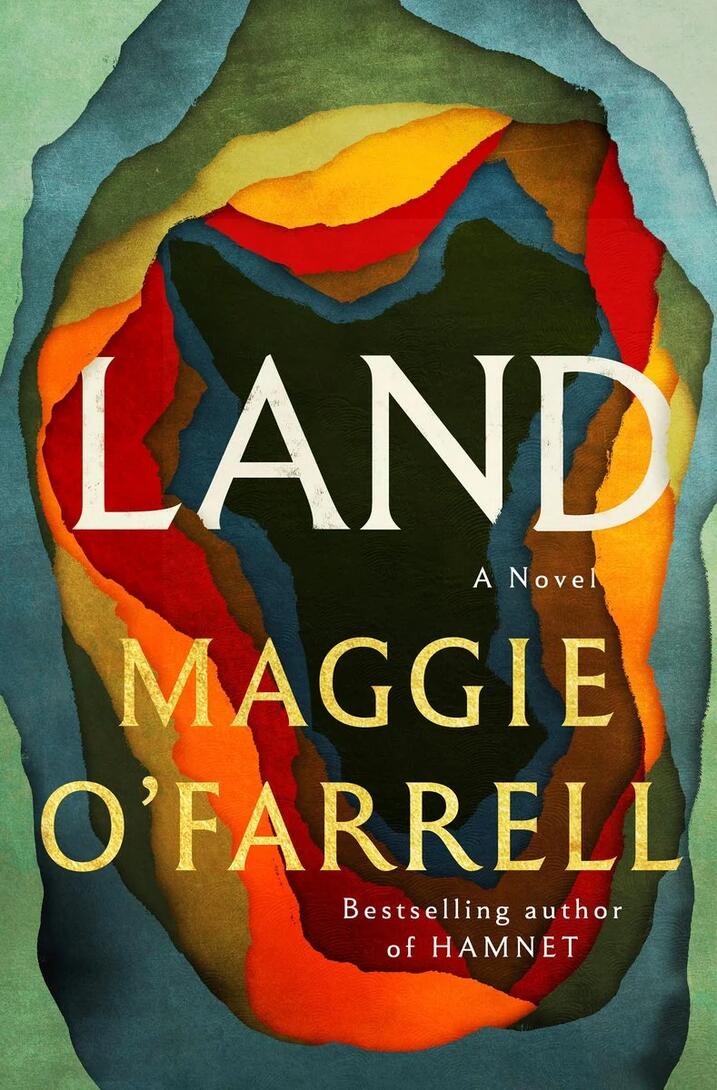
| Land by Maggie O’Farrell Land was released just this week, and it’s the latest novel from the author of Hamnet. Land is an epic Irish family journey that follows a mapmaker and his son in the years following the Great Hunger. As an Irish American, I am drawn to books about Ireland, and particularly the famine, and look forward to reading a saga of the tumultuous period spun by a writer like O’Farrell. |
Image
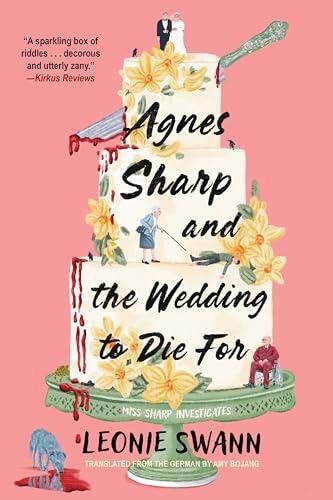
| Agnes Sharp and the Wedding to Die For by Leonie Swann German author Leonie Swann has been in the spotlight this spring following the release of the ovine investigative motion picture The Sheep Detectives, based on her 2005 novel Three Bags Full. Animals also feature prominently—but aren’t doing the actual detective work—in her Agnes Sharp series, of which The Wedding to Die For is the third and (sadly!) final installment. The books follow a group of elderly pensioners in a ramshackle English house-share who band together to solve murders. Similar to The Thursday Murder Club, yes, but about ten times zanier, in the very best way. |
Image
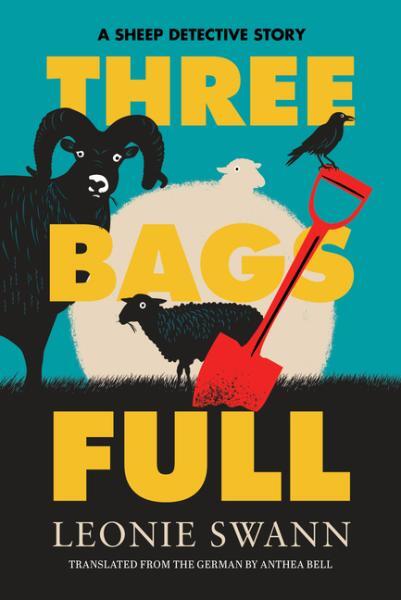
| Three Bags Full by Leonie Swann Like Katie, I am reading a Leonie Swann novel, in my case her debut Three Bags Full. A shepherd is murdered and his flock of sheep—each with their own personalities and quirks—set out to solve the crime. I saw an article about the movie it has been made into and decided to read it based on the subtitle: A Sheep Detective Story. What’s not to like? I’m only 100 pages in, so no spoilers please. |
Image
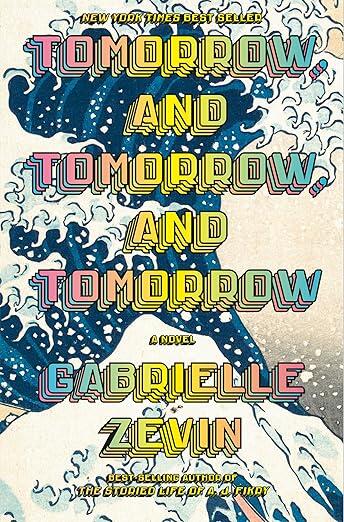
| Tomorrow, and Tomorrow, and Tomorrow by Gabrielle Zevin This 2022 novel centers on a friendship between two video game developers. It follows their on-again, off-again relationship over the course of thirty years, from childhood to undergraduate at Harvard and MIT to owning their own company in California. Set partly in Cambridge, the gripping novel explores themes of disability, identity, and connection. |
Ready to book an appointment with FWC staff? Access the FWC intake form.